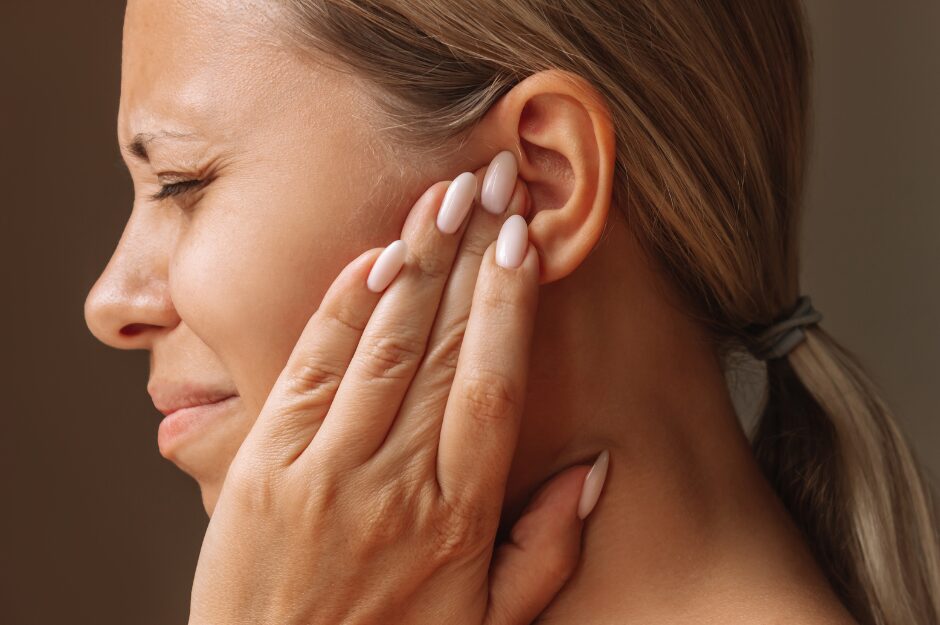
The LaserAddict method helps relieve the symptoms of tinnitus through gentle laser treatment and personalised support. We apply the gentle laser to specific points in the auricular region in order to stimulate energy zones intended to soothe the symptoms of tinnitus.
HOW THE OF A SESSION
1
30-minute assessment: Together, we analyse the severity and type of your tinnitus.
2
30-minute laser session: Thanks to our latest-generation laser, we stimulate energy points to relieve the symptoms of your tinnitus. This gentle, non-invasive treatment method allows a significant improvement in your quality of life.
3
Personalised support: We offer you personalised follow-up after your treatment. We are here to support you and help you manage your tinnitus on a daily basis.
Discover the main symptoms of tinnitus and how to relieve them with the LaserAddict method. Thanks to our gentle laser treatment and personalised follow-up, you will be able to significantly improve your quality of life.
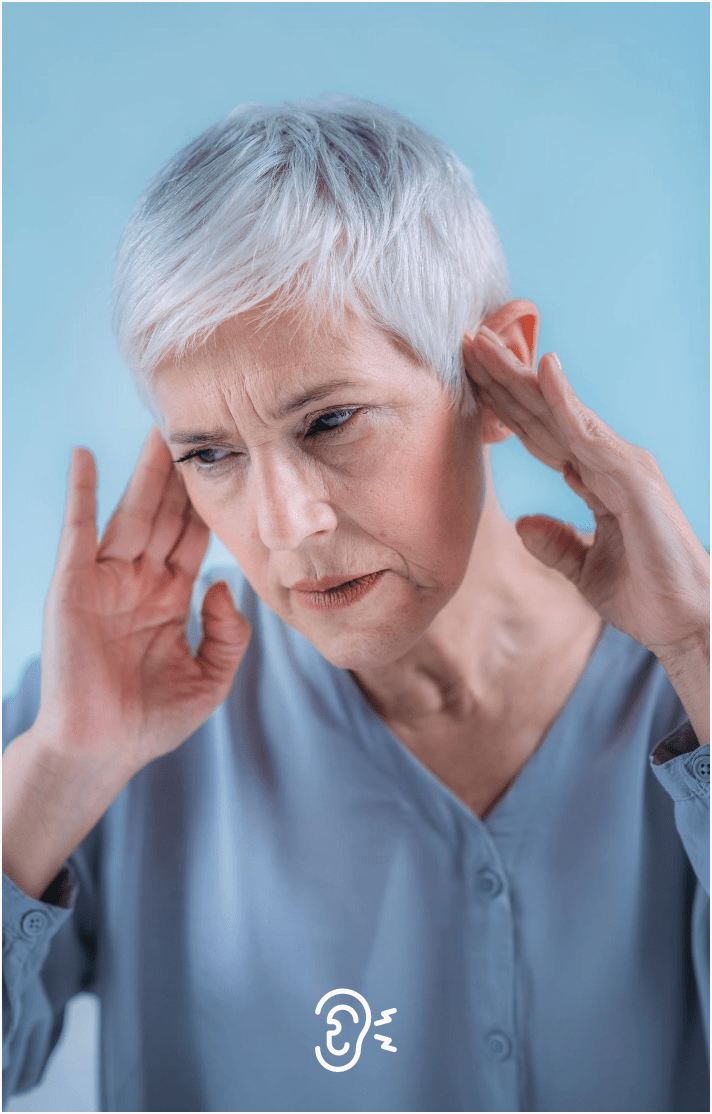
Tinnitus is often described as buzzing, whistling, ringing or clicking in the ear or in the head. It can be constant or intermittent and can vary in volume.
HERE IS A LIST OF THE MAIN SYMPTOMS ASSOCIATED WITH TINNITUS:
BUZZING IN THE EARS
HIGH-PITCHED WHISTLING
RINGING
CLICKING
These symptoms can have a significant impact on quality of life and can lead to sleep disorders, difficulty concentrating, feelings of anxiety or depression.
With the LaserAddict method, you will be able to relieve these symptoms and improve your quality of life. After the sessions, you may notice a more or less significant improvement in your tinnitus.
THE DIFFERENT TYPES OF TINNITUS
TINNITUS SUBJECTIVE
This is the most common type of tinnitus. Only the person affected can hear the noise. It can be caused by exposure to noise, age-related hearing loss, earwax blockage, certain medications, or conditions such as otitis media, Ménière’s disease, etc.
TINNITUS OBJECTIVE
This is tinnitus that a doctor can hear during an examination. It is generally caused by blood circulation problems, muscle contractions or nervous system disorders. Objective tinnitus is much less common than subjective tinnitus.
To provide the best experiences, we use technologies such as cookies to store and/or access device information. Consenting to these technologies will allow us to process data such as browsing behaviour or unique IDs on this site. Not consenting or withdrawing consent may adversely affect certain features and functions.
Functional
Always active
The technical storage or access is strictly necessary for the legitimate purpose of enabling the use of a specific service explicitly requested by the subscriber or user, or for the sole purpose of carrying out the transmission of a communication over an electronic communications network.
Preferences
The technical storage or access is necessary for the legitimate purpose of storing preferences that are not requested by the subscriber or user.
Statistics
The technical storage or access that is used exclusively for statistical purposes.The technical storage or access that is used exclusively for anonymous statistical purposes. Without a subpoena, voluntary compliance on the part of your Internet Service Provider, or additional records from a third party, information stored or retrieved for this purpose alone cannot usually be used to identify you.
Marketing
The technical storage or access is required to create user profiles to send advertising, or to track the user on a website or across several websites for similar marketing purposes.